
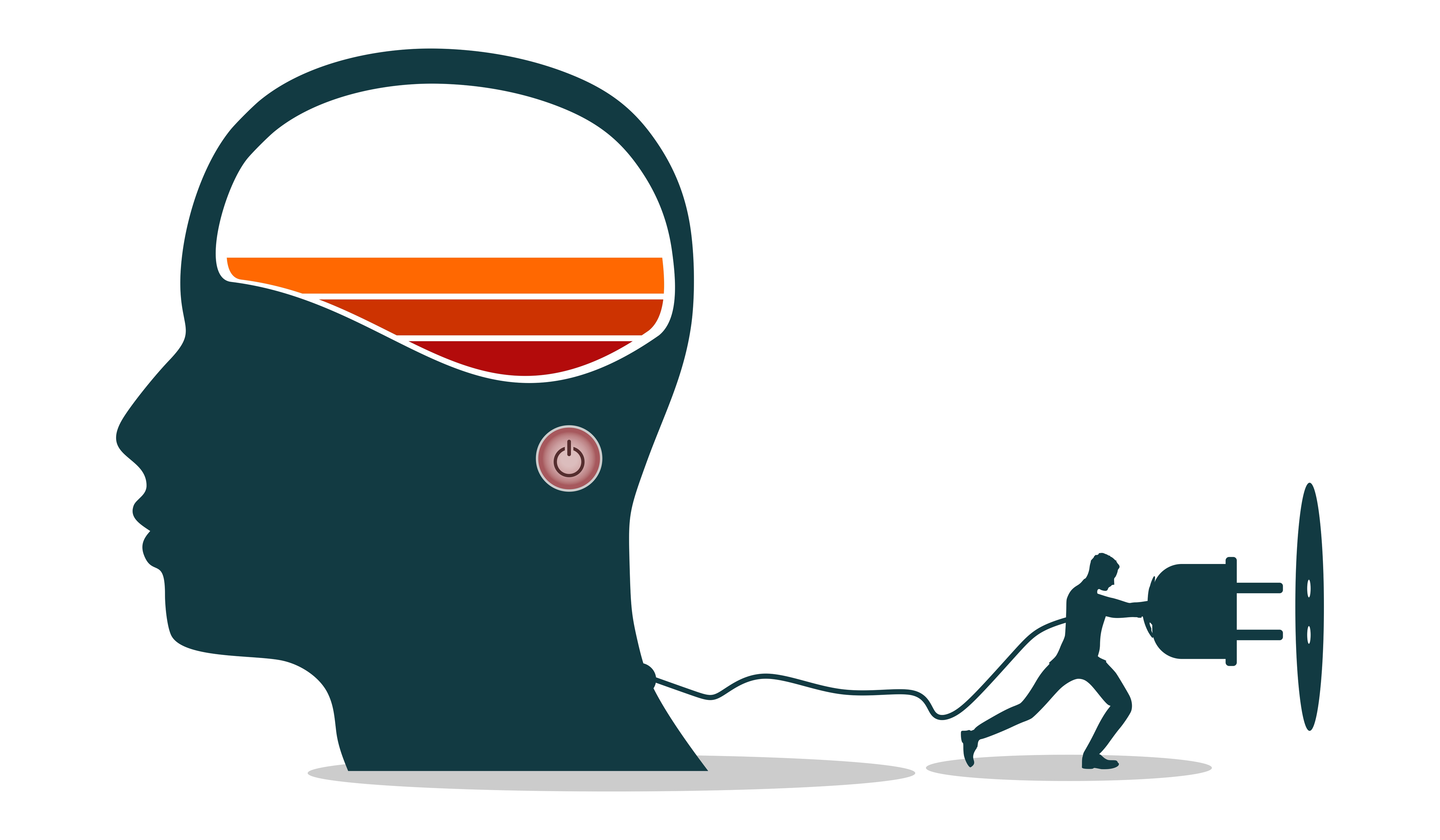
Mind-body medicine is a cornerstone of integrative healthcare, recognizing the profound connection between mental, emotional, and physical health. Instead of focusing solely on treating physical symptoms, mind-body medicine acknowledges that the mind and body are intricately linked—each influencing the other in various pathways. By harnessing this connection, mind-body practices empower individuals to actively participate in their healing process, promoting resilience, reducing stress, and enhancing overall well-being.
From a physiological standpoint, the mind-body connection is mediated by systems such as the nervous, endocrine, and immune systems. Chronic stress, for instance, activates the hypothalamic-pituitary-adrenal (HPA) axis, leading to elevated cortisol levels. Over time, this can trigger inflammation, impair immune function, and contribute to conditions like hypertension, diabetes, and depression. Chronic stress also disrupts autonomic function, altering heart rate variability, digestion, and circadian rhythms. Conversely, positive emotional states and relaxation techniques can downregulate the stress response, lowering cortisol levels, improving heart rate variability, and enhancing immune function.
Pathologically, the interplay between mind and body manifests in psychosomatic conditions—where emotional distress presents as physical symptoms—and in chronic illnesses worsened by stress, such as irritable bowel syndrome (IBS), fibromyalgia, or cardiovascular disease. Mind-body medicine addresses these root causes by fostering balance and equipping individuals with tools to manage stress, regulate emotions, and support physical recovery.
Modalities of Mind-Body Medicine
Mind-body medicine encompasses a variety of evidence-based techniques, each tailored to individual needs. Common modalities include:
- Meditation and mindfulness invite you to be fully present, quieting the judgmental mind. Practices like Mindfulness-Based Stress Reduction (MBSR) emphasize present-moment awareness, helping to reduce rumination and foster emotional regulation. By focusing on the here and now, these techniques empower individuals to break free from cycles of overthinking and emotional distress. MBSR has demonstrated benefits across a wide range of conditions, including cardiovascular disease, anxiety, depression, diabetes, hypertension, and irritable bowel syndrome (IBS). It also improves quality of life for cancer survivors, offering a holistic approach to mental and physical well-being. Recognizing its value, numerous top-tier university hospitals—such as MGH, Harvard, UCLA, Brown, Yale have established MBSR centers to support patients’ mental wellness and complement traditional medical care.
- Biofeedback: Using real-time data (e.g., heart rate or muscle tension), individuals learn to control physiological responses to stress. Did you know that HeartMath, one of the most widely used biofeedback devices, has been approved by the FDA for reducing blood pressure? Studies show that using HeartMath can lower systolic pressure by 10 points and diastolic pressure by 6 points, with no conflict of interest reported. See the picture below for an example of heart rate variability between frustration and appreciation. Disclaimer: I don’ have any financial conflict of interest with HeartMath
- Guided Imagery: For individuals who find it difficult to sit still during meditation, guided imagery offers an excellent mind-body modality, especially for those with a strong capacity for visualization. This technique harnesses the power of imagination to evoke relaxation and support healing processes. By guiding individuals through vivid mental scenarios—such as picturing a peaceful landscape or a healing light—guided imagery provides an accessible way to calm the mind and body. Guided imagery has been extensively studied in peri-procedural settings, including operating rooms, intensive care units, and clinics, where it effectively reduces anxiety and stress. Research highlights its ability to lower cortisol levels, ease pre-surgical tension, and enhance patient comfort.
- Cognitive-Behavioral Therapy (CBT): CBT is recommended as first-line therapy (superior to pharmacologic therapy) for chronic insomnia. CBT is widely used in other mood disorders, such as major depression and anxiety disorders.
- Breath-work: Have you ever considered that the lungs are the only visceral organs you can consciously control? Through specific breathing patterns—such as 4-7-8 breathing or diaphragmatic breathing—you can activate or deactivate your autonomic nervous system within minutes. This rapid-acting, cost-free, and highly effective technique offers a simple yet powerful way to manage stress and enhance well-being. I teach every patient this modality as a foundational tool for coping with stress and promoting balance.
- In addition to the modalities highlighted today, mind-body medicine includes a rich array of techniques such as hypnosis, art and expressive therapies, relaxation practices, and much more. Each offers unique pathways to support emotional well-being, reduce stress, and enhance healing, complementing the approaches already discussed.

